 listicle
7 Telemedicine Services Online for Fast, Affordable Care
Last Updated: October 26, 2026
Quick Summary
Telemedicine services online let you see a licensed clinician by video or phone, often the same day, without leaving home. Options range from physician-led primary care to urgent care, therapy, and prescription refills. Compare billing models and confirm network status before you book.
- Doctor On Demand advertises 24-hour urgent care and publishes starting self-pay prices.
- A per-visit model rarely includes follow-up care, so a second visit costs another fee.
- Confirm the clinician is licensed in the state where you are located during the visit.
- Ask whether the price includes follow-up care, labs, and prescriptions before paying.
- Have your medication list, pharmacy name, and symptom summary ready before the call.
Table of Contents
- Quick Comparison: 7 Telemedicine Services Online
- Morris Medical Center: Physician-Led Primary Care for Florida Patients
- GoodRx Care, K Health, and Doctor On Demand: Urgent and Same-Day Care
- Amwell, Talkspace, and BetterHelp: Mental Health and Specialty Support
- Online Doctor Prescriptions: What Telemedicine Services Can and Cannot Prescribe
- Telemedicine Cost: What You Pay and What Insurance Covers
- Telehealth Insurance Coverage: Medicare, Private Plans, and Self-Pay
- How to Prepare for a Telehealth Appointment
- Frequently Asked Questions
Quick Comparison: 7 Telemedicine Services Online
Telemedicine services online let you see a licensed clinician by video or phone, often the same day, without leaving home. At Morris Medical Center, we built our practice around that model for Florida patients. Below is a side-by-side look at seven options, followed by what each one actually does well and where it falls short.
| Service | Best For | Visit Format | Pricing Transparency |
|---|---|---|---|
| Morris Medical Center | Ongoing primary care, preventive care, weight management | Phone or video | Contact practice for current rates |
| GoodRx Care | Comparing online medical care options | Online visits | Check provider site |
| K Health | App-based visits | App-based | Check provider site |
| Doctor On Demand | Round-the-clock urgent care | Video | Publishes starting self-pay prices |
| Amwell | Comparing telemedicine companies | Video | Check provider site |
| Talkspace | Virtual behavioral health | Messaging and video | Check provider site |
| BetterHelp | App-based counseling | Messaging and video | Check provider site |

One warning before you compare on price alone: a cheap urgent care visit is not the same product as ongoing primary care. Watch out: choosing a service by visit fee alone often means starting over with a new clinician every time, which matters if you manage a chronic condition.
Morris Medical Center: Physician-Led Primary Care for Florida Patients
Our pick for anyone who wants a real doctor relationship rather than a one-off visit is Morris Medical Center. We provide physician-led telehealth for Florida adults by phone or computer, covering primary care, preventive services, and medical weight management. That continuity is the difference: the same practice follows your labs, refills, and follow-up care.
If you want to see how virtual primary care works in practice, you can review Florida telehealth and virtual primary care and request an appointment.
Best for: adults who want an ongoing clinician, not a transaction. Skip if: you need emergency care. Call 911 or go to an emergency department.
GoodRx Care, K Health, and Doctor On Demand: Urgent and Same-Day Care
Urgent and same-day telemedicine services online are built for one problem at a time: a sinus infection, a rash, a refill you ran out of. GoodRx Care and K Health both appear in roundups of popular telemedicine apps, and both are reasonable starting points when you need a quick remote consultation.
Doctor On Demand stands out for availability. It advertises 24-hour urgent care and publishes starting self-pay prices for medical and mental health visits, which makes budgeting easier than services that hide rates until checkout. The tradeoff is that a per-visit model rarely includes follow-up care.
Amwell, Talkspace, and BetterHelp: Mental Health and Specialty Support
Behavioral health is where virtual care genuinely shines, because you can see a therapist from home without a waiting room. Amwell operates as a broad telemedicine company, while Talkspace and BetterHelp focus on app-based counseling through messaging and video sessions.
The privacy question comes up constantly, and it deserves a straight answer. Reputable platforms use encrypted connections and keep clinical records separate from marketing data. Ask any provider how they handle records before your first session. The HHS guidance on telehealth privacy and HIPAA explains what protections you should expect.
Online Doctor Prescriptions: What Telemedicine Services Can and Cannot Prescribe
Online doctor prescriptions are legitimate, but they come with limits. A licensed clinician can prescribe many common medications after a proper consultation, including antibiotics for straightforward infections and refills for stable chronic conditions. Controlled substances face tighter rules, and some require an in-person visit.
What telemedicine cannot do is prescribe blind. A clinician who writes a script without asking questions is a red flag, not a convenience. For the full rules, read our guide on whether online doctors can prescribe medication, and if you already know what you need, here is how to get prescription refills online.
Telemedicine Cost: What You Pay and What Insurance Covers
Telemedicine cost is not one number. It depends on the billing model, the type of visit, and whether your insurance is involved. Understanding the three common models is the fastest way to compare services online without getting surprised at checkout.
The three billing models you will encounter:
- Per-visit self-pay. You pay a flat fee for one consultation. Urgent care visits are typically the cheapest entry point, and some large platforms publish starting self-pay prices on their sites before you create an account. The tradeoff is that follow-up usually costs another fee.
- Membership or subscription. You pay monthly or annually for access, and visits may be included or discounted. This model can be cheaper for people who need frequent contact, but read the cancellation terms and confirm what is included versus billed separately.
- Insurance billing. The service bills your health plan like an in-person appointment, and you owe your normal copay, coinsurance, or deductible. This is often the lowest out-of-pocket option if you have coverage, but only if the clinician is in your plan's network.
What actually drives your out-of-pocket cost:
- Visit type. A quick prescription refill visit is usually less expensive than a longer primary care or mental health appointment.
- Network status. An in-network clinician bills at your negotiated rate; an out-of-network one can bill far more. Confirm network status before the visit, not after.
- Deductible status. If you have not met your deductible, insurance may cover little or nothing, and the self-pay price can be lower than the insurance-billed price.
- Follow-up and labs. A low visit fee does not include follow-up visits, lab work, or imaging. Ask what happens if your issue needs a second visit or an in-person referral.
Three questions to ask before you pay:
- Is this a per-visit fee or a membership charge?
- Does the price include follow-up care, or will I pay again?
- What happens if my issue turns out to need in-person care, who covers that cost?
That third question matters most. A low visit fee does not cover an emergency department bill if your problem turns out to be serious. If you are comparing self-pay options, our insurance, payments, and patient resources page covers coverage questions, self-pay options, and payment methods.
Telehealth Insurance Coverage: Medicare, Private Plans, and Self-Pay
Telehealth insurance coverage has expanded considerably, but it is not uniform. What is covered depends on your plan type, the service you use, and where you are located when the visit happens. Here is how to figure out your actual coverage before you book.
Medicare. Medicare covers many telehealth services, but the rules have changed repeatedly and vary by service and setting. Beneficiaries should confirm current coverage directly with Medicare or their Medicare Advantage plan before a visit, since policies change. Do not assume last year's rules still apply.
Private plans. Most major insurers now include virtual visits for at least some services, but coverage varies by insurer, plan tier, and whether the visit is for primary care, urgent care, or behavioral health. Two questions decide most of it:
- Is the clinician in network? An in-network clinician bills at your negotiated rate. An out-of-network one can bill far more, and some plans do not cover out-of-network telehealth at all.
- Is the service covered at all? Some plans cover video visits but not phone-only or messaging-only visits. Confirm the visit format, not just the service name.
Self-pay. If you are paying out of pocket, compare the total cost of care rather than the sticker price of one visit. A slightly higher visit fee that includes follow-up can be cheaper than a low fee plus a second and third visit.
How to verify your benefits in five minutes:
- Call the number on the back of your insurance card.
- Ask whether telehealth is covered for the specific service you need.
- Confirm the clinician or platform is in network.
- Ask what your copay or coinsurance will be.
- Ask whether the visit counts toward your deductible.
State licensing matters for coverage. A clinician generally must be licensed in the state where you are located during the visit. If you travel or split time between states, confirm the service can see patients in your current location before you book, otherwise the visit may not be covered or may not be allowed at all.
If you are paying out of pocket or navigating coverage questions, our insurance, payments, and patient resources page covers coverage questions, self-pay options, and payment methods.
How to Prepare for a Telehealth Appointment
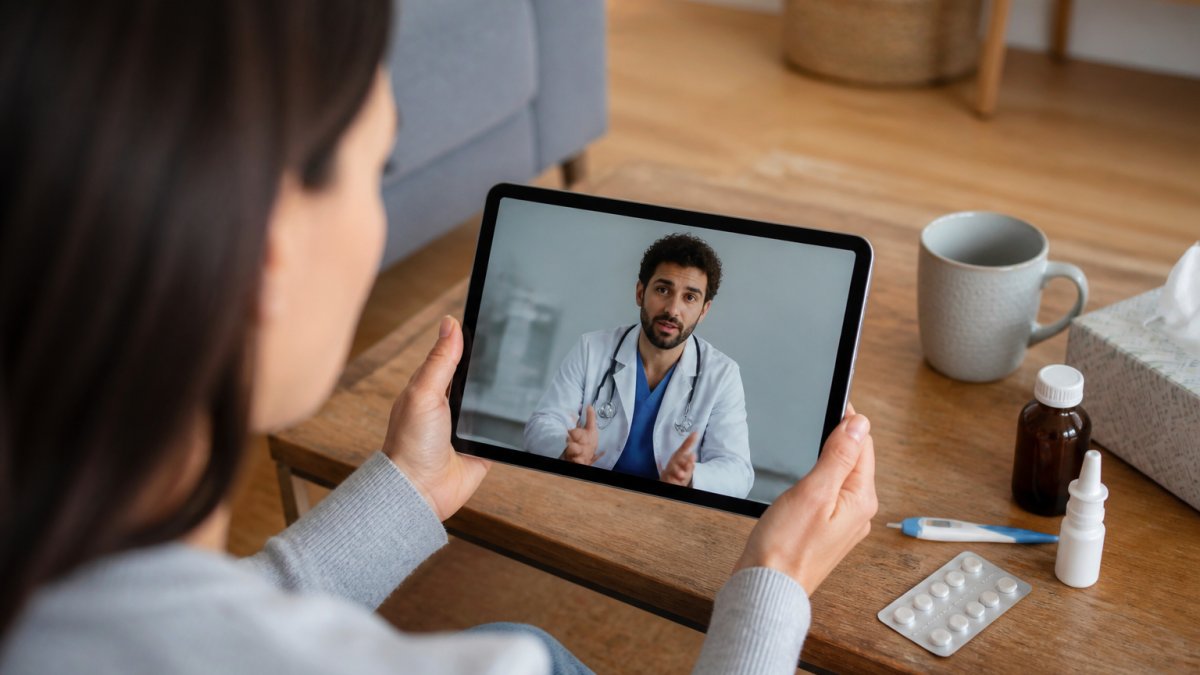
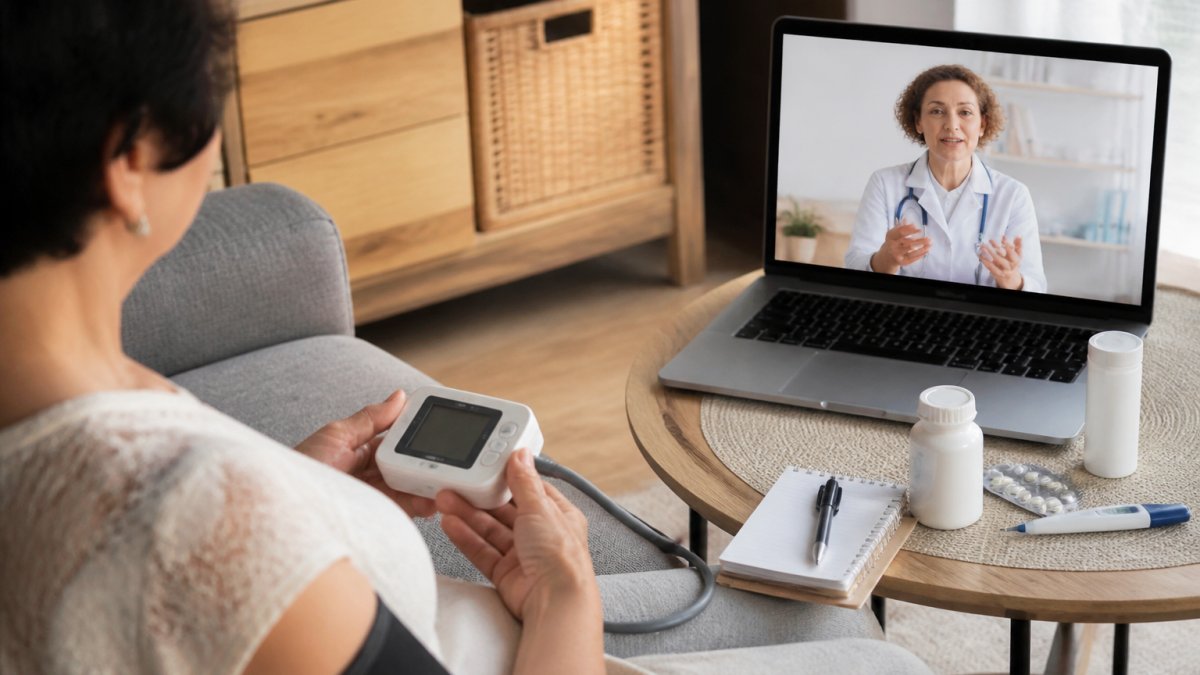
Preparation is what separates a useful virtual visit from a frustrating one. Have your medication list, pharmacy name, and a short summary of symptoms ready before the call starts. Test your camera and microphone, and pick a private room with decent light.
Write down your top two questions. Visits move fast, and the question you forget is usually the one that mattered. For practical answers about appointments, labs, and prescriptions, check our Florida telehealth FAQs before your first visit.
Frequently Asked Questions
What is the best telemedicine platform for same-day care?
The best platform depends on your needs. For urgent care with 24-hour availability, Doctor On Demand publishes starting prices of $99 per medical visit. For physician-led primary care and chronic condition management in Florida, Morris Medical Center offers same-day appointments by phone or computer. If you need mental health support, Talkspace and BetterHelp specialize in therapy. Compare services based on the care type you need, your insurance coverage, and whether the platform operates in your state.
Can I get a prescription online without seeing the doctor?
No. Telemedicine services require a consultation with a licensed clinician before prescribing any medication. During a video or phone visit, the doctor evaluates your symptoms, medical history, and current medications. If appropriate, they send the prescription electronically to your preferred pharmacy. Some services can also handle prescription refills for ongoing conditions, but only after reviewing your records. Controlled substances may have additional restrictions depending on state law.
How much does a virtual doctor visit cost?
Telemedicine cost varies by service and whether you use insurance. Self-pay rates for urgent care and mental health visits vary by service and provider. If you have telehealth insurance coverage, your out-of-pocket cost may be a standard copay. Always confirm the rate before your appointment, and ask whether the platform bills your insurance directly or requires upfront payment.
Will insurance still pay for telehealth?
Many health plans, including Medicare and private insurers, cover telehealth services, but coverage rules vary by plan and state. Medicare has expanded telehealth coverage in recent years, though some restrictions apply. Private plans may cover virtual visits at the same rate as in-person care or with a separate copay. Before booking, check with your insurer about telehealth insurance coverage for the specific service and platform you plan to use.
When should I choose in-person care instead of telemedicine?
Telemedicine works well for common conditions like colds, rashes, minor infections, and chronic disease check-ins. However, you should seek in-person or emergency care for chest pain, severe shortness of breath, deep wounds, suspected fractures, or any symptom that requires a physical exam or imaging. Telemedicine services cannot perform lab tests, X-rays, or hands-on evaluations. If a virtual doctor determines your condition needs in-person attention, they will refer you to an appropriate facility.
Virtual care works best when you treat it as a relationship, not a vending machine. If you are tired of starting over with a new clinician every sniffle, Morris Medical Center offers physician-led primary care by phone or computer, with preventive services, chronic condition management, and medical weight management under one practice. Get started with Morris Medical Center and build a care plan that actually follows you.